
The allure of risk and reward
The psychological allure of casinos often stems from the inherent thrill associated with risk-taking. Patrons are drawn to the potential rewards that gambling offers, which can be both monetary and emotional. The anticipation of winning generates a rush of adrenaline, making the experience captivating. This rush is significantly amplified in environments designed to stimulate the senses, with bright lights, engaging sounds, and cheerful atmospheres contributing to the overall excitement of the gambling experience. Many players seek out options that provide convenience, such as uk casino fast withdrawal , to enhance their enjoyment. The combination of these sensory elements creates a unique atmosphere where the line between reality and fantasy blurs, inviting players to immerse themselves deeply in the experience.
Moreover, the psychological concept of ‘variable reinforcement’ plays a substantial role in keeping patrons engaged. Unlike consistent rewards, variable reinforcement delivers wins unpredictably, which can enhance feelings of hope and excitement. This unpredictability compels players to continue betting, as they become emotionally invested, often disregarding the statistical odds against them. The classic example of this can be seen in slot machines, where the occasional near-win can create a false sense of impending success, encouraging players to keep pulling the lever in pursuit of that elusive jackpot. Consequently, this blend of emotional highs and the possibility of financial gain creates a potent cocktail that attracts individuals to the casino.
The social aspect of gambling further contributes to its allure. Casinos are social hubs where people gather to enjoy games, share experiences, and celebrate wins. This communal aspect can amplify the feelings of exhilaration and satisfaction, as patrons often find themselves surrounded by like-minded individuals seeking the same thrills. The shared excitement of a winning moment can create lasting memories and bonds among players, which in turn keeps them coming back. The combination of risk, reward, and social interaction solidifies the casino’s appeal, creating a powerful psychological draw for patrons that transcends mere gambling.
Cognitive biases influencing gambling behavior
Cognitive biases greatly influence how patrons perceive and engage with gambling. One prominent bias is the illusion of control, where individuals believe they have some influence over the outcome of random events. For instance, a player may think they can improve their chances of winning by employing specific strategies or rituals, such as wearing lucky clothing or following particular sequences when placing bets. This belief can lead to excessive gambling, as players may disregard the fact that the odds are fundamentally against them. The more they indulge in these rituals, the stronger their conviction grows, leading to a cycle of self-deception that can be difficult to break.
The confirmation bias also plays a critical role in shaping gambling behavior. Patrons often selectively remember and focus on their wins while neglecting their losses. This tendency creates a distorted perception of reality, leading players to believe they are luckier than they actually are. As a result, they may continue to gamble, convinced that they will strike it rich, despite accumulating losses. This psychological phenomenon reinforces the cycle of gambling, creating a compelling yet misleading narrative that can be hard to break. The thrill of a big win, even if rare, can overshadow the numerous losses, making it easier for players to justify their continued participation.
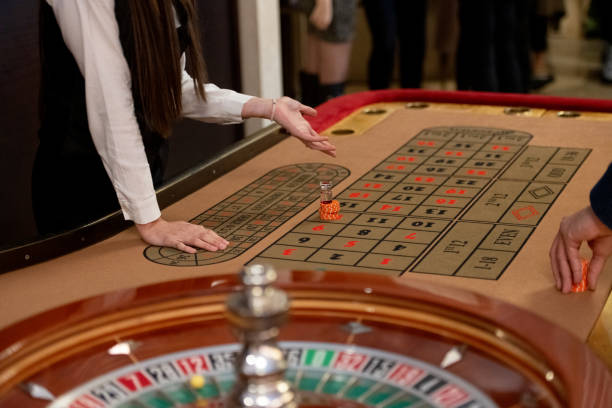
Additionally, casinos frequently exploit these cognitive biases through various design elements and marketing strategies. For example, they often display near misses and small wins prominently, which can reinforce the belief that winning is just around the corner. By understanding how cognitive biases operate, casinos can create an enticing environment that keeps patrons returning, further complicating their relationship with gambling. The manipulation of these biases serves as a powerful tool for casinos, ensuring that the psychological grip they have on patrons remains strong, perpetuating the cycle of play.
Emotional triggers in the gambling experience
The emotional landscape of a casino is strategically crafted to evoke a range of feelings that enhance the gambling experience. Excitement, joy, and anticipation are prevalent emotions that casinos aim to stimulate. The use of vibrant colors, engaging sounds, and celebratory lights during winning moments creates an emotional high that patrons associate with gambling. This emotional stimulation is a significant factor encouraging patrons to return, as they seek to replicate those exhilarating feelings. The environment is designed to ensure that every win, no matter how small, feels monumental, reinforcing the pleasurable associations with gambling.
On the flip side, the feelings of loss and disappointment can also trigger complex emotional responses. Losses can lead to what is known as “loss chasing,” where patrons continue to gamble in hopes of recouping their losses. This behavior is often fueled by emotional distress, where the individual may feel compelled to recover not just money but also a sense of control and dignity. The emotional toll of losing can push players to take greater risks, believing that one more game could turn their fortunes around. This can lead to an escalating cycle of gambling, where emotional highs and lows intertwine, compelling patrons to return despite the risks involved.
Furthermore, the presence of professional dealers and engaging game hosts can enhance the emotional experience, creating an atmosphere of intimacy and connection. These interpersonal interactions serve to deepen patrons’ emotional engagement, making them feel valued and part of a larger community. The social dynamics at play within a casino can heighten emotional experiences, transforming gambling from a solitary endeavor into a shared journey. This emotional connection is a powerful factor that casinos leverage to keep patrons returning, often blurring the lines between entertainment and addiction.
The role of environment and design in patron behavior
The physical environment of a casino is meticulously designed to influence patron behavior. Layout, lighting, and sound play critical roles in shaping the gambling experience. For instance, casinos often employ a maze-like design, preventing patrons from easily finding exits, subconsciously encouraging them to stay longer. The absence of clocks and windows in many gaming areas further enhances this effect, creating an environment where time is irrelevant and patrons are more likely to lose track of their gambling duration. This deliberate disorientation keeps players within the establishment, fostering prolonged gambling sessions.

Lighting also plays a crucial role in creating an inviting atmosphere. Bright colors and flashing lights are strategically placed near slot machines and gaming tables to attract attention and evoke excitement. This sensory stimulation can lead to impulsive betting behaviors, as patrons are more likely to act on their emotions rather than rational thought. The sounds of coins dropping, cheers from other patrons, and the overall ambiance contribute to an immersive experience that draws people in. Each element is carefully curated to ensure patrons feel enveloped in an exhilarating environment that enhances their gambling experience.
In addition, the presence of amenities such as bars, restaurants, and lounges within a casino reinforces the idea of a full entertainment experience. These features create a social environment where patrons can relax and socialize, further deepening their emotional investment in the establishment. The comprehensive design approach ensures that patrons are not merely engaged in gambling but are enveloped in an overall experience that keeps them coming back time and again. The integration of leisure activities alongside gambling creates a sense of belonging and enjoyment that can be difficult to resist.
Insights and resources for understanding casino patron behavior
Understanding the intricate psychology of casino patrons can provide valuable insights for both players and industry professionals. Research into gambling behaviors and psychological triggers can enhance responsible gambling practices, helping patrons recognize when their behavior may become problematic. Resources such as educational campaigns and support groups are vital in fostering awareness and promoting healthier attitudes towards gambling. By understanding the psychological mechanisms at play, players can better navigate their experiences and make informed choices.
Furthermore, the study of patron behavior can assist casino operators in creating safer environments. By recognizing the signs of unhealthy gambling behaviors, casinos can implement strategies to promote responsible gambling. This includes providing resources for players to self-exclude, setting limits, and offering guidance on responsible gameplay. By fostering a culture of responsibility, casinos can support patrons in making informed decisions that enhance their enjoyment while mitigating the risks associated with gambling.
Ultimately, the exploration of casino patron psychology is a multifaceted endeavor that benefits from ongoing research and dialogue. Websites dedicated to gambling awareness and responsible gaming can serve as excellent resources for those seeking guidance and information. By understanding the diverse factors that influence gambling behavior, both patrons and operators can foster a healthier and more enjoyable gaming environment. Through collaboration and education, the industry can work towards balancing entertainment with the responsibility of promoting safe gambling practices.